


Challenges
The challenge is not willingness. It is resources.
Across Namibia, more and more communities are asking for help with sterilisation. Waiting lists are long, local welfare groups are overwhelmed, and pet owners genuinely want better lives for their animals.
The biggest challenge facing Have a Heart is not convincing people to care. It is having enough funding, transport, veterinary capacity and equipment to reach every community asking for assistance.


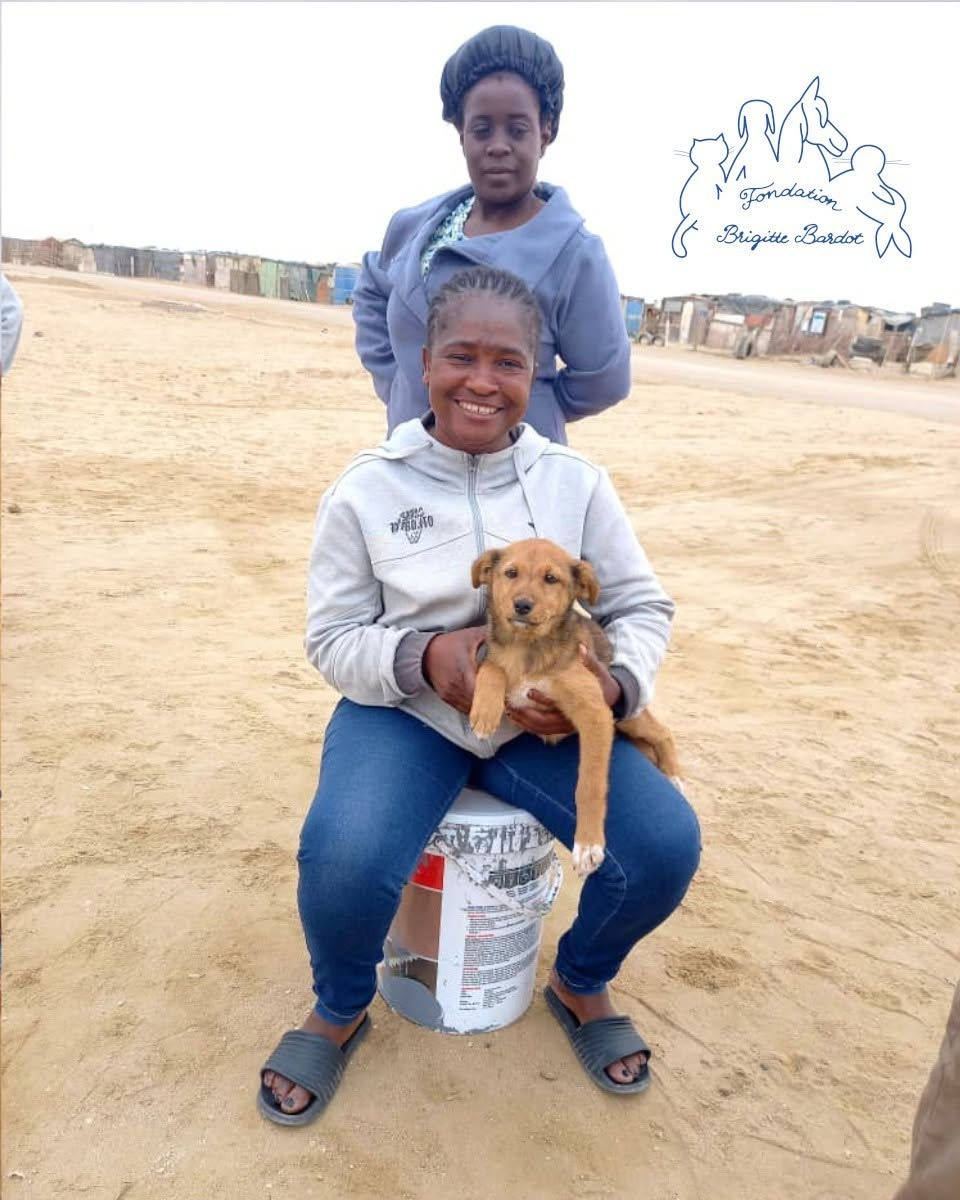


Funding

Have a Heart Namibia receives no government funding.
Fundraising currently covers around 65% of our running costs. The remaining balance depends on generous support from private donors and sponsors both locally and internationally.
We are deeply grateful to the organisations and individuals who help make our work possible:
-
Animal-Kind International
-
Brigitte Bardot Foundation
-
A yearly Namibian-based trust grant
-
Private donors in Namibia and abroad
But the reality is simple: every spay day must first be funded before it can happen.
Distance & Logistics

Namibia is vast. Communities are spread across enormous distances, often far from veterinary clinics and animal welfare infrastructure. A single outreach campaign can involve transporting veterinary teams and equipment, organising community bookings, sourcing accommodation, and travelling long distances on difficult roads.
Have a Heart Namibia works closely with local SPCAs, welfare groups and community contacts to make these campaigns possible. One of our biggest long-term goals is to develop a fully equipped mobile clinic trailer - bringing veterinary care directly to areas where access is currently extremely limited.
Education

Sterilisation is only part of the solution.
Have a Heart Namibia proudly partners with PAKO Kids Magazine to teach children and families about responsible pet ownership, animal welfare, and the importance of sterilisation and preventative care.
Sterilisation is only part of the solution. Through school visits, we educate children early about caring for their pets and preventing unwanted litters, helping to build a long-term culture of compassion and responsibility.
Whenever possible, these efforts are combined with community outreach and spay campaigns, with the goal of reducing suffering today and creating lasting change for the future.

